Sooke Garden To-do list: February – The Garden Stirs
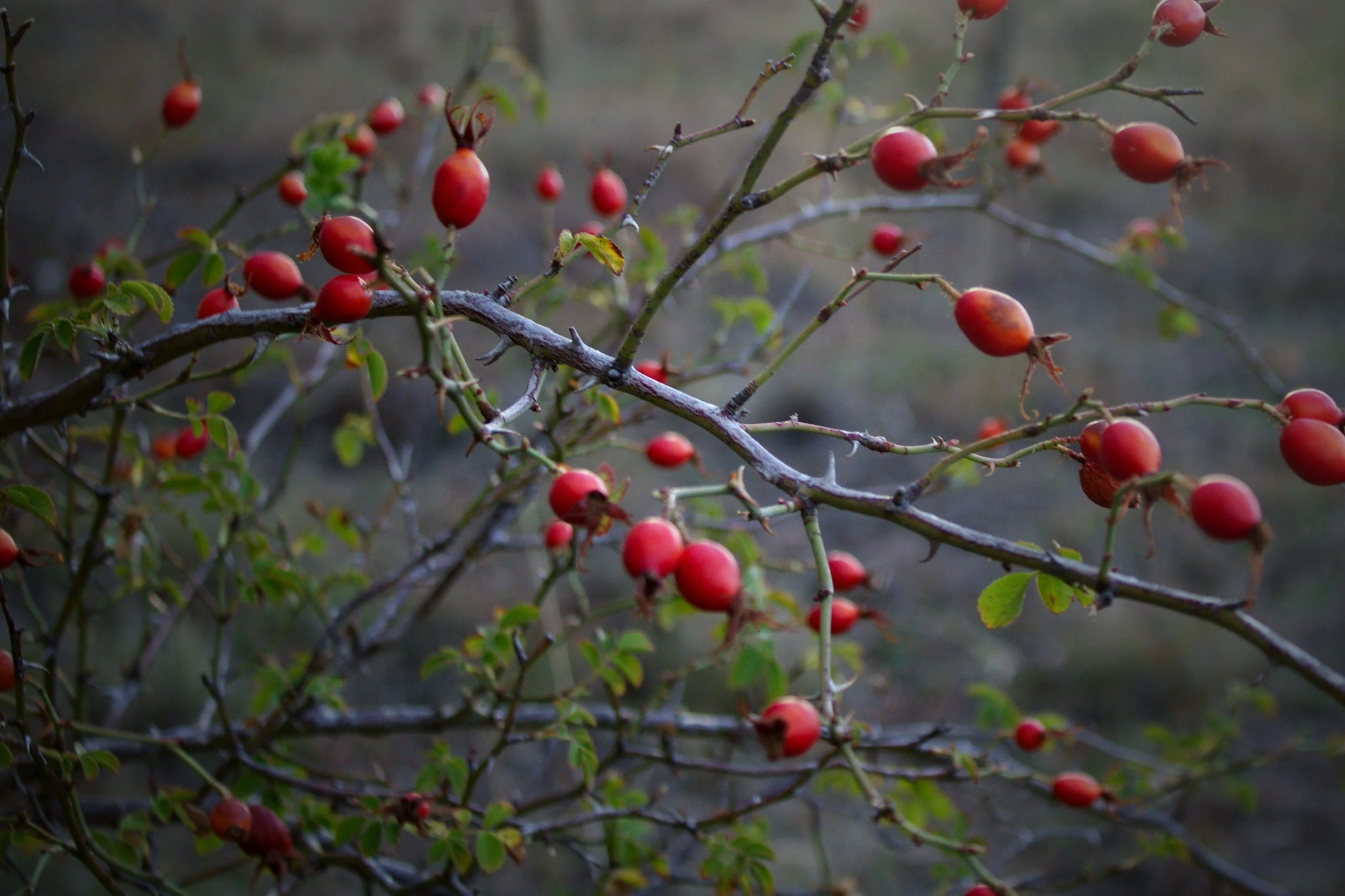
February is a good time to prune roses hard ahead of spring growth.
By Loretta F.
Spring is still a month or so away, the garden is calling…
Indoors, start onions, leeks, celery, peppers and eggplants.
Prune roses (hard) and summer-blooming shrubs and vines.
Fertilize garlic by top dressing with compost.
Prepare beds and containers for planting by adding compost and dusting with lime (skip the lime for potato beds).
Cut back perennials that were left untouched over the winter. Fertilize them and apply mulch.
Divide and move perennials and plant potted perennials.
Prune fruit trees to shape them and encourage growth.
Cut the spent canes of everbearing raspberries to the ground and trim the remaining canes to approximately 4 feet. Thin the patch as needed for good air circulation and ease of picking.
Continue planting bareroot trees and shrubs while the ground is cool and moist.
And, of course …
Continue to build compost with fruit and vegetable scraps, dried leaves and plant trimmings, seaweed, manure, and as wide a variety of other seed-free ingredients — both brown and green — as you can find. Remember, the compost feeds the soil, and the soil feeds the plants.
Remove weeds as soon as you see them. They deprive nearby plants of water and valuable nutrients.
Take steps to prevent pests and diseases from ruining your plants. Monitor plants vigilantly, keep tools and work areas clean, follow appropriate planting, growing and pruning techniques, and keep dead/diseased plant material out from under fruit trees and out of beds and containers. Companion planting, floating row covers, slug patrols, etc., can be helpful during the main growing season.
Take time to relax and enjoy the beauty of your garden and the fruits of your labour!
* This list is for general reference only. The timing of many tasks will be affected by weather and related factors. Please be guided not only by local area conditions, but also by conditions within your own gardening microclimate.