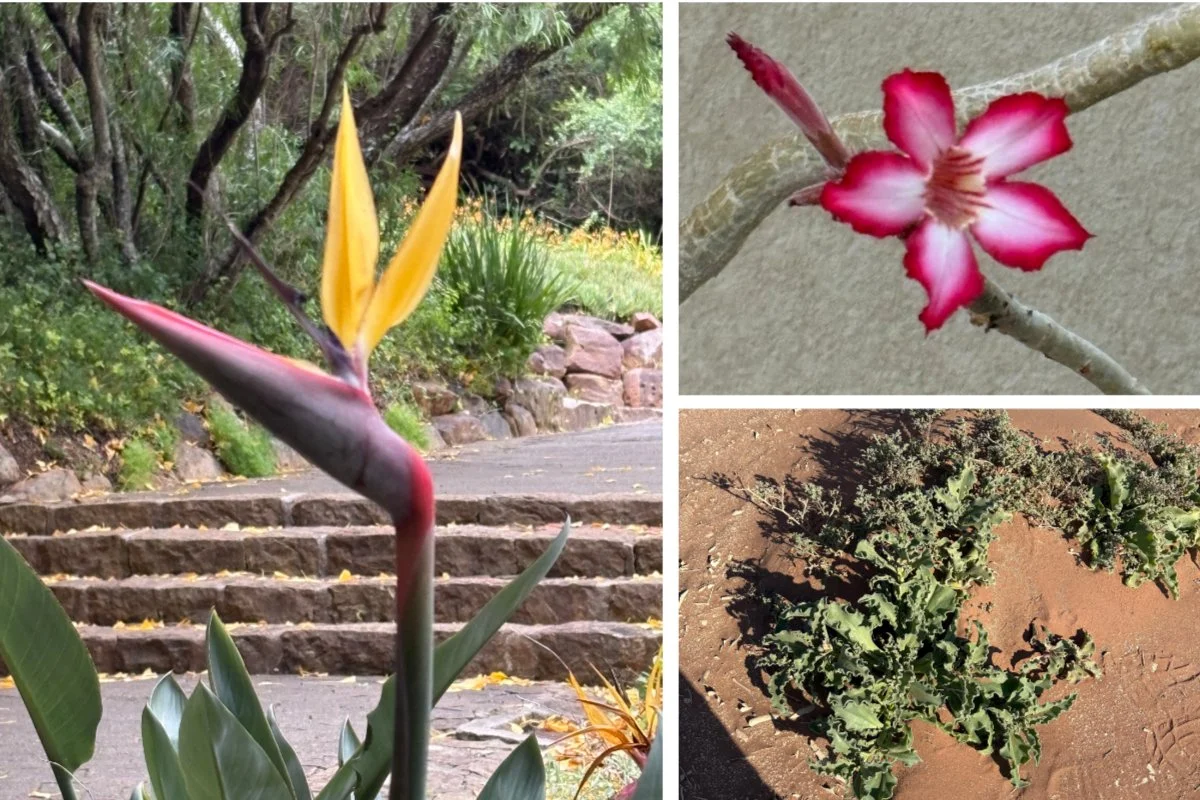
Left: Mandela Crane Flower, cultivated to honour Nelson Mandela, in Kirstenbos National Botanical Garden in Cape Town, South Africa.
Top right: Keppick flower, in Sesriem, Namibia, from a plant used to make kapok, a material used to fill mattresses.
Bottom right: Ostrich Lettuce, an essential plant for animal survival in the Namibian dessert, supporting ungulates in the harshest of climates. You can squeeze an amazing amount of water from it when it's picked.
Sooke Garden Club member Michele recently enjoyed a trip to Africa and in addition to iconic wildlife, landscapes and cultural experiences, photographed a variety of the region’s striking trees, plants and flowers.
Among the destinations Michele visited was the Kirstenbosch National Botanical Garden, in South Africa, set against the eastern slopes of Cape Town’s Table Mountain, and Chobe National Park, Botswana’s first national park.
Enjoy!
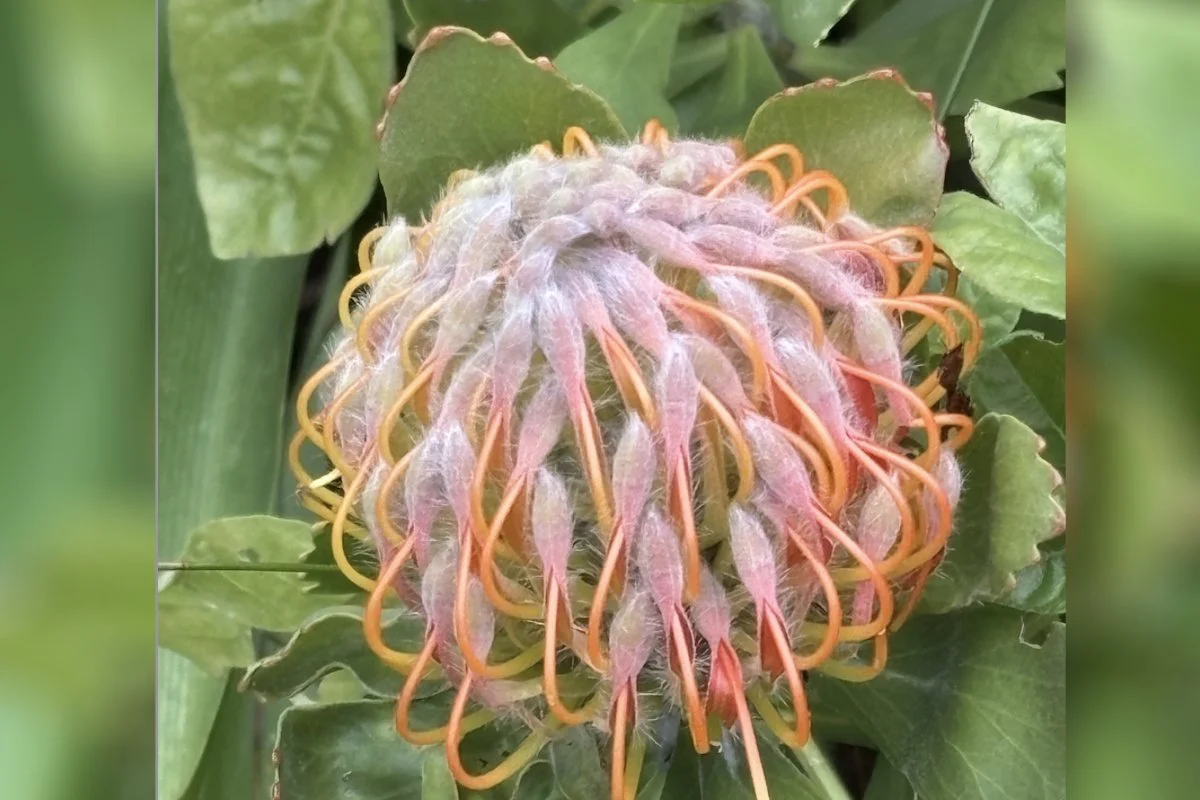
Pincushion flower, photographed in Kirstenbosch National Botanical Garden near Cape Town, South Africa.
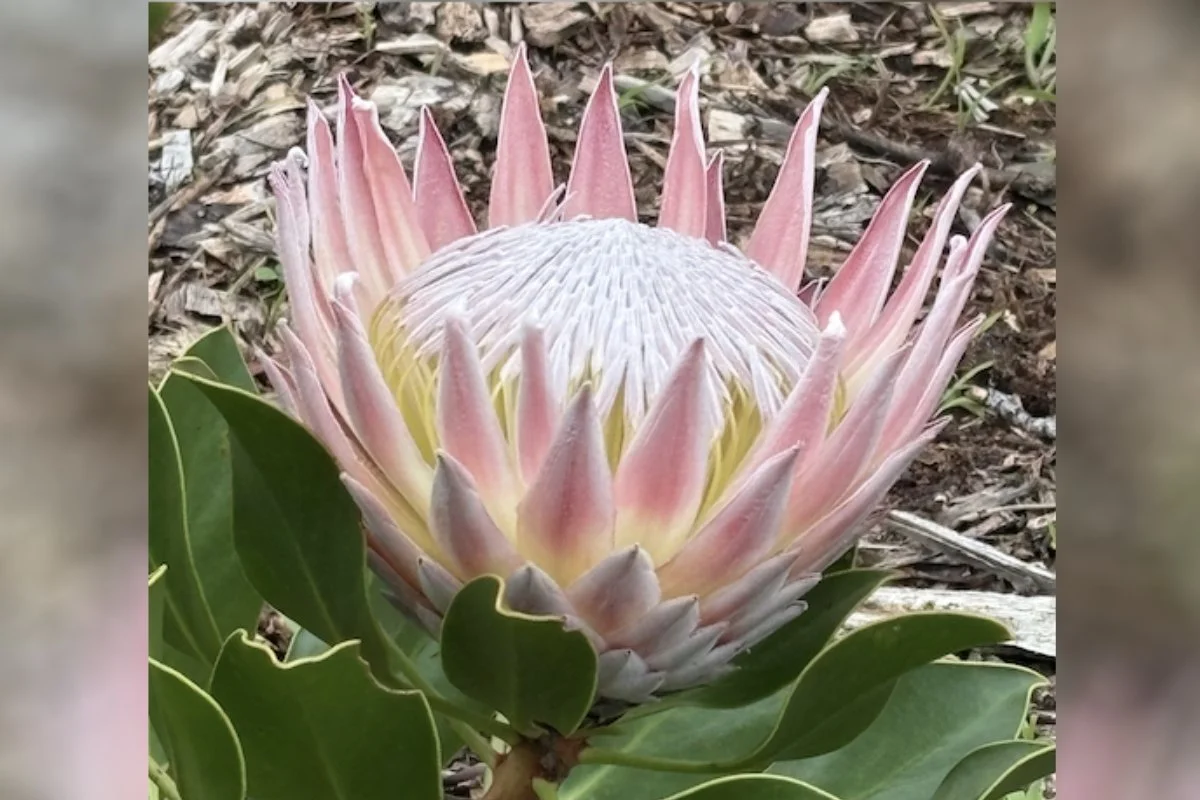
King Protea, the national flower of South Africa, photographed in Kirstenbosch National Botanical Garden near Cape Town, South Africa.
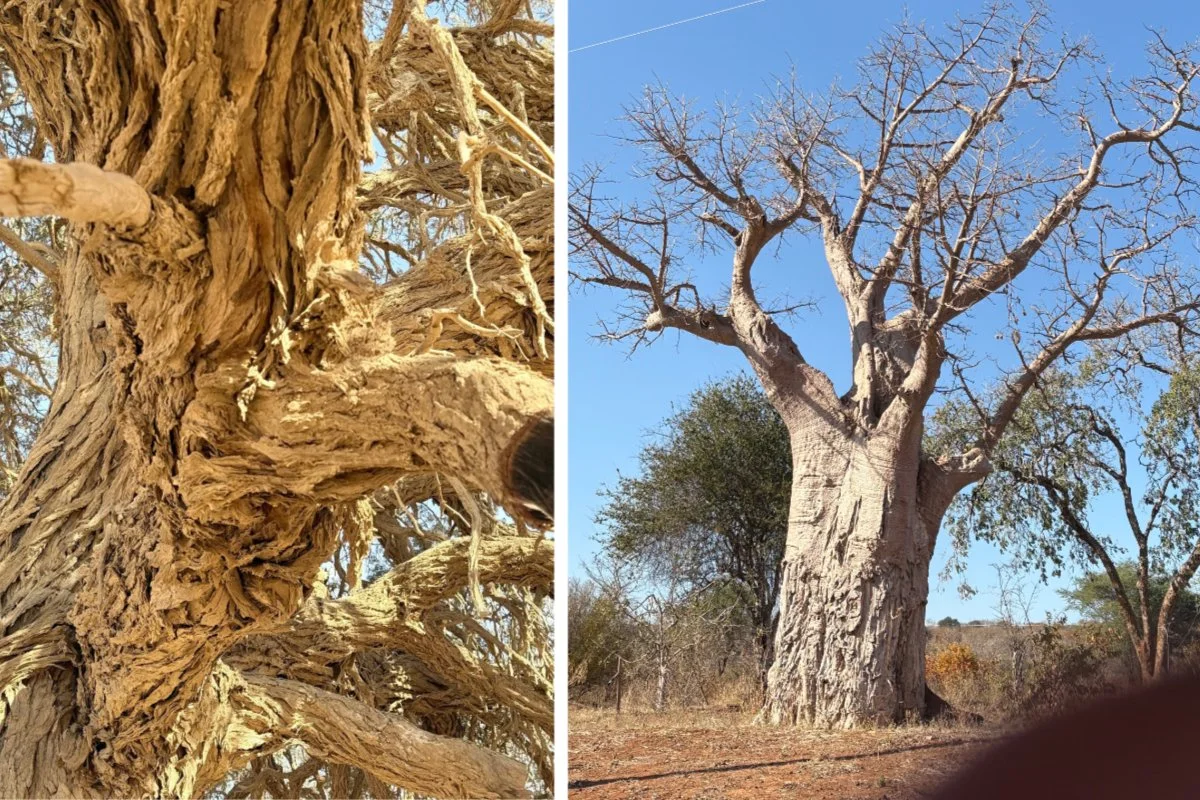
Left: An ancient Acacia tree. Where you find acacias in the Namibian desert, you find water, Michele says. They live for thousands of years and their roots can reach as deep as 400 feet. They also have a natural defence – if an animal tries to eat the leaves, they release ethylene gas into the air to warn adjacent trees. Those neighbouring trees then pump toxic tannins into their leaves to deter predators and so protect the grove.
Right: An African Boabab tree in Chobe National Park. "The tree of life," every part is used to sustain the animals and people. It can store thousands of litres of water and live to be 3,000 years old with trunks up to 30 feet wide and 100 feet tall. The white perfumed flowers only open at night, last 24 hours and are pollinated by bats.
